Should You Get a Dental Checkup Before a Major Trip Abroad?
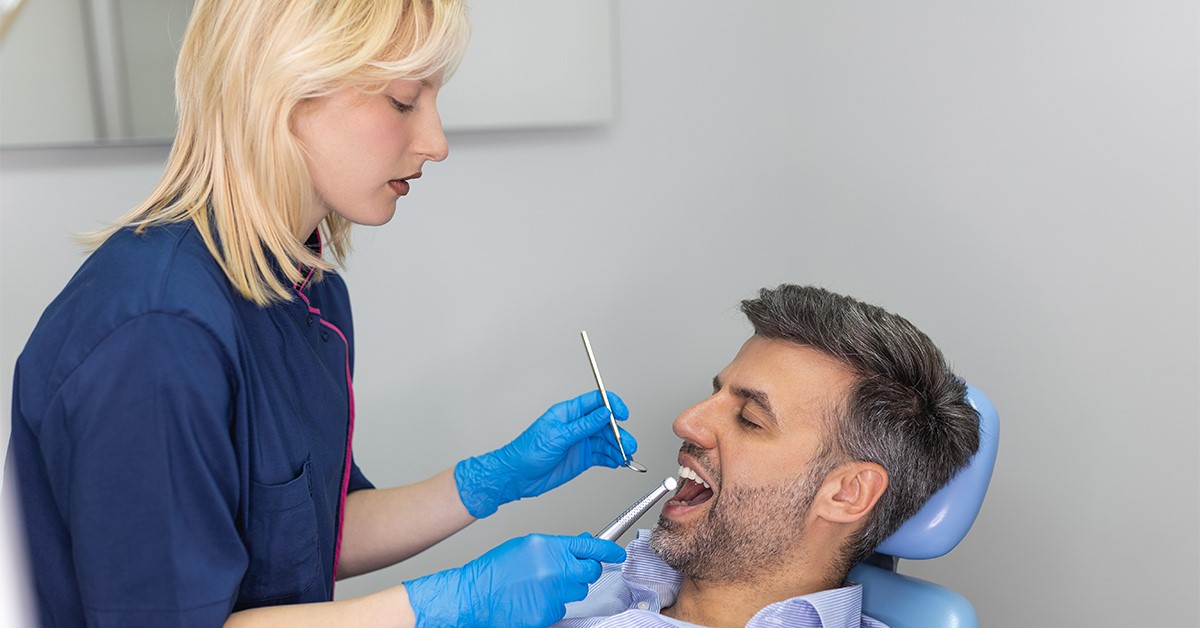
A dental checkup before major international travel can identify problems that might become painful or urgent while you are away. It is especially useful for travelers with sensitivity, fillings, crowns, wisdom tooth concerns, recent dental work, or previous emergencies. Planning early gives you clearer options and greater confidence before an important international journey.
A major trip should not be interrupted by tooth pain, a loose crown, or sudden swelling. A routine dental checkup for adults before travel can uncover small problems before they become overseas emergencies.
Should you get a dental checkup before traveling abroad?
Usually, yes, especially if you have tooth sensitivity, a recent filling, a crown, wisdom tooth concerns, or past dental emergencies. A pre-travel exam helps you understand risks before you leave.
Think of it like checking your car before a long road trip. You are not expecting trouble. You are reducing the chance that a small issue becomes a major problem far from home.
A dentist can check for decay, cracked teeth, gum inflammation, loose restorations, bite problems, and signs of infection. The goal is not to find reasons for treatment. It is to identify what needs attention.
When is a routine dental checkup for adults especially useful?
Tooth sensitivity deserves a closer look when it is new, worsening, or linked with biting pain. Causes can include decay, worn enamel, gum recession, or a damaged restoration.
A filling that feels different may also deserve review. If an edge feels sharp, food keeps catching, or chewing causes pain, waiting until your flight may turn a minor concern into urgent care.
Crowns and bridges need attention when they feel loose, painful, or changed. A dentist can assess the restoration and the tooth underneath, then explain whether repair, replacement, or monitoring makes sense.
Wisdom teeth can create another travel headache. Recurrent pain, swollen gums, bad taste, jaw stiffness, or trouble opening your mouth should be assessed before departure.
A previous dental emergency is another reason to plan ahead. If you have had sudden tooth pain, broken restorations, or swelling before, ask your dentist what could trigger another episode.
What happens during a pre-travel dental checkup?
Your dentist reviews your symptoms, dental history, current restorations, and concerns. They may examine your teeth and gums and recommend imaging when it is clinically useful.
You can also mention problems you have been tolerating. Maybe one tooth hurts only with cold drinks. Maybe your jaw feels tired. Small details can help your dentist decide what deserves attention.
You do not automatically need every treatment before travel. Your dentist can separate urgent problems from issues that can safely wait, giving you a clearer plan.
That distinction matters. Unnecessary treatment right before a major trip can create its own recovery period. The better approach is to treat what needs care and plan the rest sensibly.
How early should you schedule your dental visit?
Try to avoid booking a complex dental procedure the day before an international flight. Give yourself time for healing, follow-up, or adjustments when treatment requires them.
If you are traveling with children, consider their needs too. A loose baby tooth, cavity, orthodontic concern, or mouth discomfort can become harder to manage when routines change.
Ask what needs treatment now, what can wait, and which symptoms should prompt urgent care. This turns vague worry into a simple travel plan.
What treatment might you need before traveling?
Treatment depends on the problem. Options may include a filling, crown repair, root canal treatment, extraction, gum care, or another restorative approach.
If a tooth is infected, delaying care because the pain temporarily improves can be risky. Pain can fade while the underlying problem remains, so an examination matters.
If you want cosmetic work before a trip, timing deserves thought too. Affordable cosmetic dental treatments may include whitening, veneers, or bonding, but suitability should come before appearance.
If you need care before departure, a family dental practice can help coordinate several needs. Preventive visits, fillings, crowns, dentures, implants, and emergency care may all fit into one broader plan.
Do not use pain medicine as proof that a dental problem is solved. Pain relief can make symptoms easier to tolerate, but it does not tell you whether the underlying cause has gone away.
What should you do if a dental emergency happens abroad?
Know the warning signs before you travel. Severe pain, facial swelling, significant trauma, uncontrolled bleeding, or infection symptoms deserve prompt dental assessment.
Breathing or swallowing problems with facial or mouth swelling can be more serious. Seek emergency medical care rather than relying on home remedies or waiting for the problem to settle.
Carry useful dental information when traveling. Keep your dentist's contact details, medication list, relevant medical history, and information about major dental work where you can access them.
It also helps to know your travel insurance rules. Some plans may limit dental benefits abroad, while emergency dental coverage can vary widely between policies and destinations and may require upfront payment.
A simple pre-trip dental checklist
Schedule a dental checkup if you have current symptoms, recent dental work, recurring problems, or concerns about existing restorations. Do not wait for severe pain to make the decision.
Tell your dentist where you are going and how long you will be away. A two-week family holiday and a six-month work assignment may call for different planning.
At Meadowlark Family Dentistry, patients can access comprehensive family, preventive, restorative, cosmetic, implant, denture, and emergency dental services. The practice also uses advanced technology and looks for underlying causes.
Your next step before a major international trip
If you have been postponing a dental concern because it feels manageable, now is a good time to discuss it. A simple conversation can help you choose between monitoring, treating, or planning care before departure.
I’m Dr. Tatiana Trott, DDS, from Meadowlark Family Dentistry. I earned my dental degree from Latvian Medical Academy in 1986 and later trained at Arthur A. Dugoni School of Dentistry. With 30+ years across private and public settings, I help you plan calm, practical care. Request an appointment through Meadowlark Family Dentistry or call (360) 577-3625.
Patient-Focused FAQs
Is a dental checkup necessary before every international trip?
No. If your mouth is healthy and you have no concerns, routine care may be enough. A checkup becomes more useful when problems or recent treatment exist.
How long before travel should I see a dentist?
A routine checkup can be scheduled based on your needs. For planned treatment, allow enough time for healing, adjustments, or follow-up before departure.
Should I travel with a loose crown?
A loose crown should be assessed before travel. Leaving it untreated may increase discomfort or damage risk, especially when you are far from your dentist.
Can tooth sensitivity become worse during travel?
It can, depending on the cause. Cold drinks, acidic foods, or an underlying dental problem may trigger symptoms, so new sensitivity deserves evaluation.
What if I have dental anxiety before my trip?
Tell your dental team before your visit. They can explain each step, discuss comfort needs, and help you understand treatment choices without judgment.