Can a Restorative Dentist Repair Age-Related Tooth Wear?
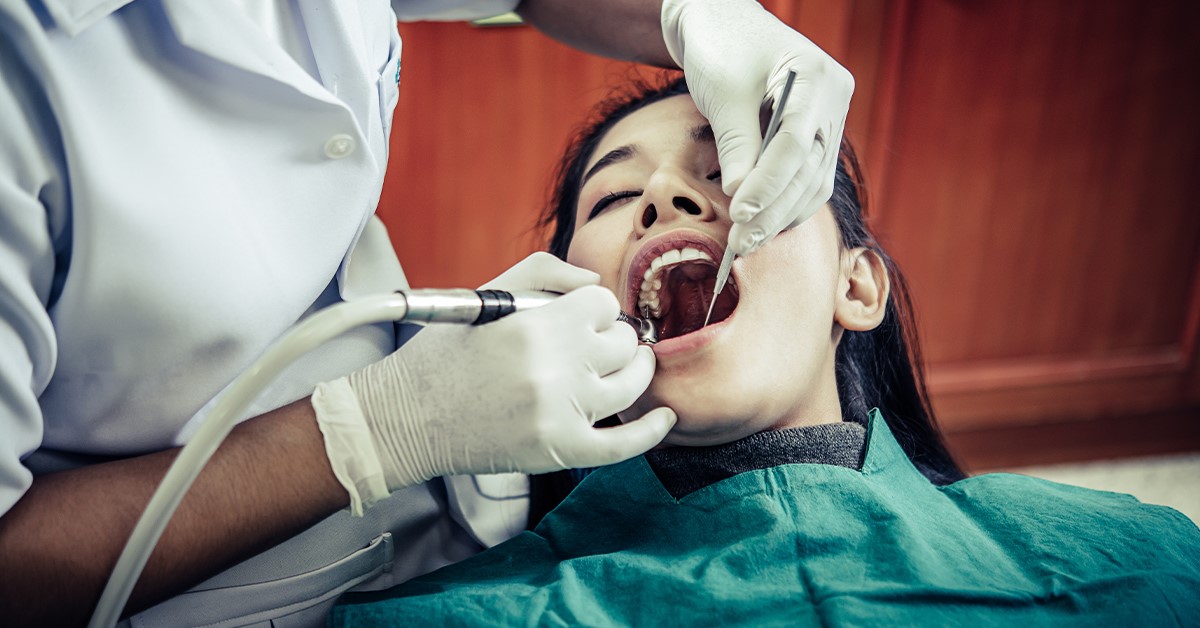
Age-related tooth wear can result from years of chewing, teeth grinding, acid exposure, and enamel erosion. A restorative dentist can assess the damage and recommend dental bonding, composite restorations, crowns, or other treatments. Identifying the underlying cause is essential for lasting results. Meadowlark Family Dentistry offers personalized restorative care focused on protecting teeth and restoring healthy smiles.
Your teeth work hard every day. Years of chewing, grinding, and acid exposure can slowly wear them down. The good news? Restorative dentistry can help protect and rebuild damaged teeth.
How A Restorative Dentist Repairs Age-Related Tooth Wear?
A restorative dentist can repair many forms of age-related tooth wear. Treatment may involve dental bonding, composite restorations, crowns, or other procedures. The right choice depends on how much tooth structure remains.
If your teeth look shorter, feel sensitive, or have uneven edges, do not ignore these changes. A restorative dentist in Kelso WA can examine your teeth, identify the damage, and explain suitable ways to restore their strength.
However, repairing the visible damage is only one part of care. Your dentist must also understand what caused the wear. Otherwise, the same problem may continue after treatment.
Why Do Teeth Wear Down as You Get Older?
Tooth enamel is the hard outer layer that protects each tooth. It does not grow back once it is lost. Over time, repeated pressure and acid exposure can weaken this protective layer.
Several everyday habits and health conditions can speed up the process.
1. Years of Chewing and Daily Use
Your teeth handle thousands of bites over the years. Normal chewing causes some surface wear. However, uneven bites, missing teeth, or excessive pressure can increase damage in certain areas.
2. Teeth Grinding and Clenching
Do you wake up with jaw pain or tight facial muscles? You may grind or clench your teeth during sleep. This condition is called bruxism.
Repeated grinding can flatten biting surfaces, shorten teeth, and create small cracks. It may also cause jaw discomfort and sensitivity. A custom night guard may help protect your teeth from further damage.
3. Acid Exposure and Enamel Erosion
Acid can soften enamel and gradually dissolve its minerals. Frequent soft drinks, citrus drinks, and acidic foods can contribute to this problem.
Stomach acid can also reach your mouth through acid reflux or repeated vomiting. Over time, affected teeth may become smooth, thin, sensitive, or discolored.
4. Gum Recession and Exposed Tooth Roots
As gums recede, the roots of your teeth may become exposed. Root surfaces do not have the same enamel protection as the visible crown. This can increase sensitivity and the risk of decay.
How Does a Restorative Dentist Diagnose Tooth Wear?
A good treatment plan starts with a careful examination, not an immediate decision to place crowns or fillings. And that is why you need a restorative dentist in Kelso WA who will -
- Review your dental and health history: This helps identify grinding, reflux, acidic diets, medications, and previous dental work.
- Examine your teeth: The dentist checks enamel loss, cracks, exposed dentin, gum recession, and existing restorations.
- Check your bite: Uneven contact or excessive pressure may explain why certain teeth wear faster.
- Take dental X-rays when needed: Images help assess hidden decay, tooth roots, and supporting bone.
- Record the extent of damage: Photographs, scans, or dental impressions may help track changes and plan treatment.
This process helps distinguish normal age-related changes from active damage that needs attention.
Which Treatments Can Repair Worn or Weakened Teeth?
Not every worn tooth needs a crown. Some teeth need minor repairs, while others require stronger protection. Your dentist will consider the remaining enamel, tooth strength, bite pressure, and cause of damage.
Dental Bonding for Small Chips and Worn Edges
Dental bonding uses tooth-colored composite resin to rebuild small damaged areas. Your dentist shapes the material to match your natural tooth.
It can improve uneven edges, small chips, and minor surface defects. Bonding usually preserves more natural tooth structure than a crown. However, it may need repair or replacement over time, especially when grinding continues.
Composite Restorations for Localized Damage
Composite restorations fill or rebuild damaged areas with a tooth-colored material. They can restore shape and function when wear or decay affects a limited part of the tooth.
These restorations can be a conservative option. Their success depends on the amount of healthy tooth structure and the forces placed on the repair.
Dental Crowns for Severely Weakened Teeth
A dental crown covers the visible part of a tooth. It helps protect teeth with extensive wear, large fillings, cracks, or significant structural damage.
Crowns can restore the tooth's shape, strength, and chewing function. However, they require careful planning and removal of some natural tooth structure. They are not automatically the best choice for every worn tooth.
Other Treatments When More Support Is Needed
Some cases need additional care. A custom night guard can reduce damage from nighttime grinding. Fluoride treatments may help strengthen vulnerable enamel.
If decay or damage reaches the dental pulp, root canal treatment may be needed before restoring the tooth. Severely damaged or missing teeth may require extraction and replacement. Options can include dental implants, implant-supported dentures, or other suitable restorations.
Why Treating the Cause Matters More Than Fixing the Damage
A new filling cannot stop nighttime grinding. A crown cannot prevent acid reflux. That is why restorative care should address both the damaged tooth and the reason behind its condition.
Your dentist may recommend changes to your daily routine, a night guard, or medical evaluation for suspected reflux. Reducing frequent acidic drinks can also help protect remaining enamel.
Without these steps, even well-made restorations may face repeated stress. Protecting your natural teeth starts with controlling the forces that damage them.
Restore Your Teeth with Care That Looks Beyond the Damage
Worn enamel does not mean you have lost your chance for a healthy smile. At Meadowlark Family Dentistry, I look beyond visible damage to understand why it happened. I am Dr. Tatiana Trott, DDS, with over 30 years of experience, trained in Latvia and at the University of the Pacific. My goal is thoughtful care, clear choices, and less dental anxiety. For those of you looking for a smile design dentist in Kelso - let’s discuss your options!
Request an appointment: https://www.meadowlarkfamilydentistry.com
Call: (360) 577-3625
Visit: Meadowlark Family Dentistry, Kelso, WA
FAQs About Age-Related Tooth Wear
1. Can worn tooth enamel grow back?
No. Lost enamel cannot naturally grow back. However, fluoride can support remineralization of early weakened areas, while dental restorations repair lost tooth structure.
2. Is tooth wear a normal part of aging?
Some wear occurs over time, but severe enamel loss is not something you should accept as inevitable. Grinding, acid exposure, and other factors can accelerate it.
3. Can dental bonding fix severely worn teeth?
Bonding works well for selected minor or localized damage. Extensive wear may need crowns or other restorations for better support and protection.
4. Does a dental crown stop further tooth wear?
A crown protects the restored tooth, but it does not stop grinding or acid exposure. Treating those causes remains essential.
5. When should I see a dentist about worn teeth?
Book an examination if you notice sensitivity, flattened teeth, chips, cracks, or changes in your bite. Seek prompt care for sudden pain or a broken tooth.