Can I Get a Same-Day Emergency Dental Appointment for Severe Tooth Pain?
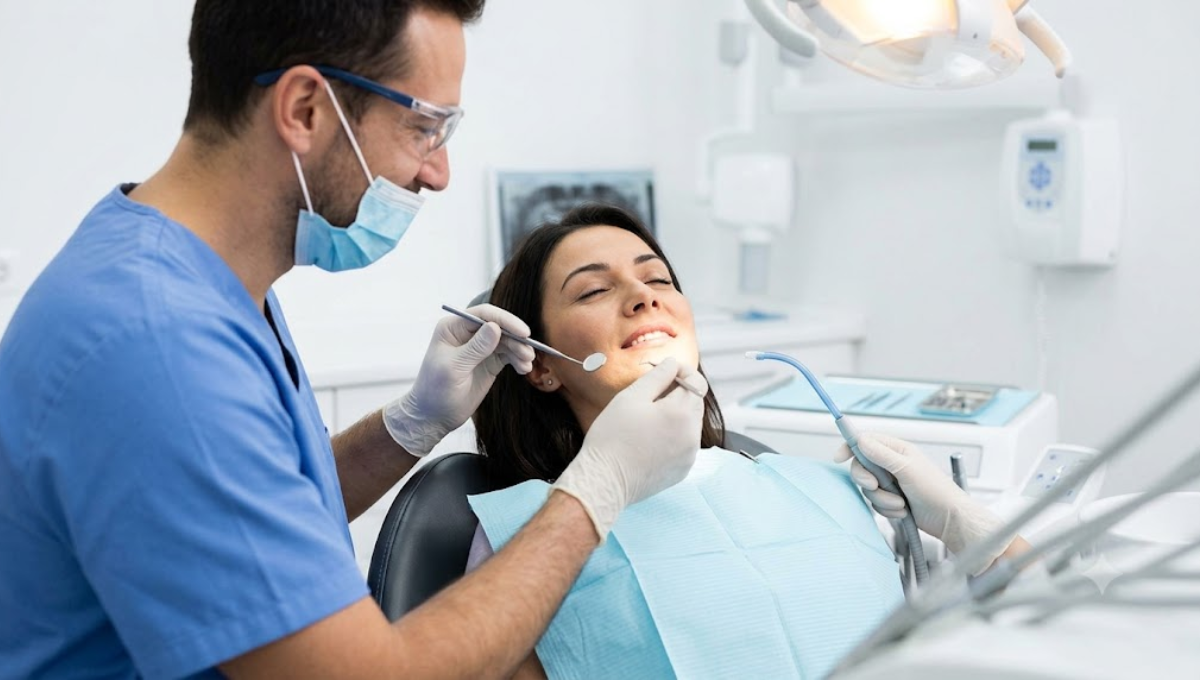
Severe tooth pain can signal deep decay, infection, an abscess, cracked tooth, or damaged dental work. Same-day dental care can identify the cause, control pain, and begin appropriate treatment. Learn which symptoms need urgent attention, what an emergency dentist checks, possible treatments, and how Meadowlark Family Dentistry supports anxious patients.
You wake up with sharp tooth pain, your cheek feels swollen, and even drinking water hurts. You need answers fast. Can you get a same day emergency dental appointment? Let’s try answering the specifics for you!
Yes, severe tooth pain can need same-day dental care
If your tooth pain is severe, sudden, persistent, or stopping you from eating, sleeping, or functioning normally, call a dentist promptly. Severe pain can signal decay, infection, a cracked tooth, or an abscess.
A same-day visit is especially sensible when pain keeps getting worse, returns after pain medicine wears off, or comes with swelling. Dental treatment can address the cause instead of simply covering the symptoms.
You should seek urgent help if you also have facial swelling, fever, difficulty swallowing, trouble breathing, uncontrolled bleeding, or swelling spreading toward your neck. These signs may require emergency medical care.
For severe tooth pain without those warning signs, a dental office can often assess the problem quickly and decide what needs treatment first. Meadowlark Family Dentistry states that emergency cases can be seen the same day.
What can cause severe tooth pain?
Tooth pain is not always caused by a simple cavity. The pain may come from the tooth nerve, surrounding tissues, infection, trauma, or a damaged restoration.
Deep decay can reach the nerve
A small cavity may cause little or no pain at first. As decay moves deeper, it can irritate the pulp, the soft tissue containing nerves and blood vessels inside your tooth.
You may notice strong sensitivity to hot or cold, pain when biting, or spontaneous throbbing. Once the pulp becomes badly inflamed, waiting can make the problem harder to manage.
Infection can create pressure and swelling
An untreated tooth infection can spread around the root and cause an abscess. You may develop a painful bump, swelling, bad taste, fever, or tenderness around the tooth.
Dental infections need proper evaluation. Antibiotics are not automatically the answer for every toothache. ADA guidance recommends dental treatment for many localized dental infections, with antibiotics used when systemic involvement is present.
A cracked tooth can hurt without looking broken
A tooth can crack from biting hard food, grinding, trauma, or normal wear. The crack may be difficult to see, yet chewing can trigger sharp pain.
You might feel pain when biting down or releasing your bite. Temperature sensitivity can also occur. A dentist may need several tests to identify which tooth is responsible.
A damaged crown or filling may expose the problem
A loose crown, broken filling, or defective restoration can expose sensitive tooth structure. It can also allow bacteria to reach areas that were previously protected.
The sooner the tooth is checked, the more clearly your dentist can determine whether repair, replacement, or deeper treatment is needed.
What happens during an emergency dental appointment?
Your emergency visit starts with questions. Where does it hurt? When did it begin? Is the pain constant? Does biting make it worse? Has anything changed recently?
Your dentist then examines your teeth, gums, bite, and surrounding tissues. Depending on your symptoms, dental X-rays or other diagnostic tests may help identify decay, infection, bone changes, cracks, or problems around a tooth root.
The goal is not simply to ask, “How can we stop the pain?” A good emergency assessment asks, “Why is this happening, and what treatment can protect your oral health?”
That distinction matters. Pain relief can give you breathing room, but lasting relief usually requires treating the dental problem causing the pain.
What treatment might you receive the same day?
Your treatment depends on what the examination finds. A small cavity may need a filling, while a severely inflamed or infected pulp may require root canal treatment or another form of pulp therapy.
An abscess may require drainage. A damaged tooth may need a temporary or permanent restoration. If a tooth cannot be saved, extraction may sometimes be considered after discussing your options.
For some patients, the immediate goal is to control pain and stabilize the tooth before completing more extensive treatment. ADA guidance supports definitive dental treatment when it is available rather than delaying care unnecessarily.
Pain control may also be part of the visit. For adults and adolescents, ADA guidance supports non-opioid pain medicines such as NSAIDs, alone or with acetaminophen, when appropriate and when dental treatment is not immediately available.
Do not place aspirin directly against your gums or that tooth. It can irritate the tissue. Also, do not use leftover antibiotics without professional guidance.
What should you do before seeing the dentist?
Call the dental office and describe your symptoms clearly. Mention swelling, fever, broken teeth, recent dental work, trauma, or difficulty swallowing if any are present.
Until you are seen, keep the area clean and gently rinse your mouth with warm water. If food is trapped between teeth, careful flossing may help remove it.
Follow medication directions carefully. Your dentist or physician can advise you about pain medicine based on your health history, allergies, other medicines, pregnancy status, and medical conditions.
Most importantly, do not wait simply because the pain temporarily disappears. A tooth infection can become quieter without the underlying problem being gone.
Can dental anxiety stop you from seeking emergency care?
Absolutely. If you have dental anxiety or a history of difficult dental experiences, severe tooth pain can make the idea of treatment feel even harder.
You can tell the dental team before treatment begins. Ask them to explain each step, agree on a signal for breaks, and discuss your concerns about injections, sounds, or discomfort.
A compassionate dental visit should give you control and clear information. Meadowlark Family Dentistry describes its approach as personalized care that helps anxious patients understand what their treatment will involve.
Why choosing a comprehensive dental team can help
Emergency care should solve the immediate problem while keeping your longer-term oral health in view. That may mean planning restorative care after infection control or replacing a damaged tooth later.
Meadowlark Family Dentistry provides comprehensive family, cosmetic, restorative, regenerative, implant, denture, crown, and emergency dental services. Its team also focuses on identifying causes behind oral health concerns.
This broader approach can be useful for families, children, anxious patients, adults needing complex restorations, and people who want one dental team for ongoing care.
When should you stop waiting and call?
If severe tooth pain is disrupting your sleep, eating, work, or daily life, contact a dentist rather than trying to push through it. Pain is useful information, not something you need to prove you can tolerate.
A same day emergency dental appointment may allow the dentist to identify the cause, reduce discomfort, and begin appropriate treatment before the problem becomes more serious.
If swelling affects your breathing or swallowing, or you have a potentially life-threatening dental emergency, seek immediate medical attention.
Get answers before the pain takes over
At Meadowlark Family Dentistry, we look beyond the immediate symptoms. I am Dr. Tatiana Trott, DDS, and I bring more than 30 years of dental experience, including training at Latvian Medical Academy and Arthur A. Dugoni School of Dentistry.
We welcome your questions and can discuss emergency, restorative, family, and comprehensive care. If you are looking for an emergency dentist Kelso, request an appointment at Meadowlark Family Dentistry or call (360) 577-3625 for our Kelso office. You can also join Meadowlark Family Dentistry’s In-House Premier Dental Coverage by clicking on - https://www.meadowlarkfamilydentistry.com/in-house-savings-plan/
FAQs
Can severe tooth pain be a dental emergency?
Yes. Severe pain, swelling, infection, dental trauma, or a painful broken tooth can require urgent dental assessment and treatment.
Will a dentist treat my tooth on the same day?
Often, yes, depending on the diagnosis, office availability, and treatment required. Meadowlark Family Dentistry says it can see emergency cases the same day.
Does severe tooth pain always mean I need a root canal?
No. Pain can result from decay, cracks, damaged restorations, gum problems, or infection. Your dentist must examine the tooth before recommending treatment.
Can antibiotics cure a toothache?
Antibiotics do not replace dental treatment for most localized dental pain. They may be appropriate when infection causes systemic symptoms such as fever or malaise.
What if I am scared of emergency dental treatment?
Tell your dental team before treatment. Clear explanations, breaks, gentle communication, and personalized care can make the experience easier to manage.