How Can a Kid-Friendly Dentist Prevent Cavities in Children?
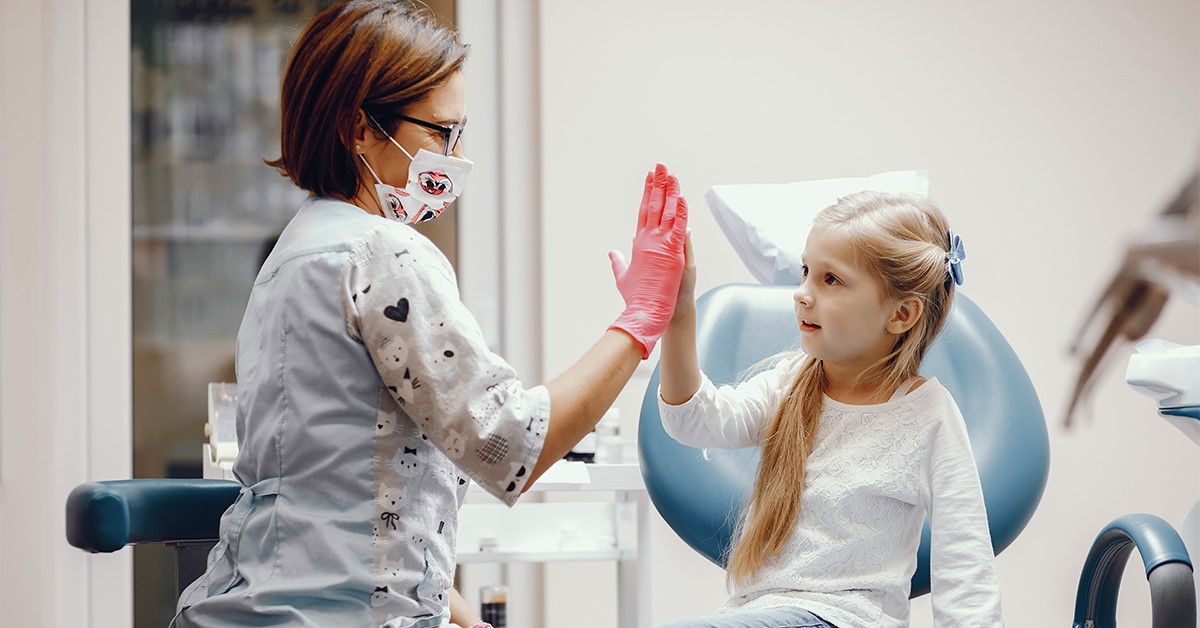
A kid-friendly dentist can help prevent childhood cavities through early risk assessment, fluoride care, dental sealants, brushing guidance, healthier food and drink habits, and regular preventive visits. The goal is not perfect parenting. It is early action, clear education, comfortable care, and a personalized plan that helps your child maintain healthy teeth.
Myth: Kids get cavities only when they eat too much candy. Fact: Cavities have several causes, including bacteria, frequent sugars, fluoride exposure, enamel strength, and cleaning habits. A kid-friendly dentist helps you manage these risks early.
A cavity is not a parenting failure. It can develop quietly before your child feels pain. Early dental checks help identify risk, protect developing teeth, and prevent small concerns from becoming larger problems.
So, how can a kid-friendly dentist prevent cavities? Your dental team can assess cavity risk, strengthen enamel with fluoride, consider sealants, teach brushing skills, guide food choices, and monitor changes through regular visits.
If you are searching for a kid friendly dentist Kelso WA, choose a team that speaks gently, answers questions, and adjusts prevention to your child’s age, risk, comfort, and daily routine.
What does a child’s preventive dental exam actually check?
A preventive exam looks beyond visible cavities. Your dentist checks teeth, gums, enamel, plaque, bite, fillings, eruption patterns, and areas where food may collect. The goal is early action, not surprise treatment.
Your child’s dentist may also ask about frequent snacks, sweet drinks, brushing habits, fluoride exposure, past cavities, and other concerns. These details matter because prevention works best when the plan fits your child’s real life.
The American Academy of Pediatric Dentistry supports individualized cavity-risk assessment based on age, clinical findings, protective factors, and disease indicators. Your child may therefore need a different prevention plan from another child.
How does fluoride help protect growing teeth?
Fluoride helps teeth resist acid damage and supports repair of early mineral loss. For most children, brushing twice daily with fluoride toothpaste is recommended, using an age-appropriate amount with adult supervision.
For children younger than three, the ADA recommends no more than a rice-grain-sized smear. From ages three to six, use no more than a pea-sized amount of fluoride toothpaste.
A dentist may also recommend professional fluoride treatment when your child’s cavity risk makes it useful. The decision can consider age, risk level, fluoride exposure, and overall oral health rather than one fixed rule.
Could dental sealants protect teeth a toothbrush misses?
Yes, when appropriate. Sealants are thin protective coatings placed into deep grooves on chewing surfaces. They create a barrier that helps keep food and cavity-causing bacteria away from difficult-to-clean areas.
The ADA and AAPD support sealants for preventing and slowing certain cavity lesions in primary and permanent molars. Your dentist can assess tooth anatomy, eruption stage, risk, and existing decay first.
Sealants do not replace brushing, fluoride, healthy eating, or dental visits. Think of them as an added layer of protection where plaque can hide despite careful brushing.
How can you make brushing easier for your child?
Young children often need help brushing well. Let your child hold the toothbrush, but finish the job when needed. Use gentle circles and reach every tooth surface, especially the back molars.
Make brushing predictable by linking it to the same morning and bedtime routines. A simple timer, favorite song, or brushing chart can turn resistance into a familiar daily habit.
Your dentist can demonstrate brushing based on your child’s age and coordination. Ask where plaque tends to remain. One small technique change can make home care much more effective.
Why do everyday food and drink choices affect cavities?
The issue is not only how much sugar your child eats. Frequency matters too. Repeated sugary snacks or drinks give mouth bacteria more chances to produce acids that attack enamel.
Try keeping sweet foods with meals instead of offering them throughout the day. Offer water between meals when possible, and limit frequent sipping of juice, soda, sports drinks, or sweetened beverages.
Your child does not need a perfect diet to have healthy teeth. Small changes can reduce repeated acid attacks without making food feel like a test your family can fail.
Why are regular preventive visits worth keeping?
Cavities can progress without obvious symptoms. Regular visits let your dentist monitor early changes, review home habits, provide preventive care, and update the plan when your child’s teeth or risk factors change.
The AAPD recommends early dental care and ongoing guidance, including oral hygiene instruction, dietary counseling, fluoride care, and sealant assessment based on individual needs.
Regular visits also build familiarity. A child who knows what a dental check feels like may face future care with less uncertainty, especially when anxiety or past dental experiences are involved.
What makes a dentist truly kid-friendly?
Kid-friendly care is more than a colorful waiting room. It means using simple words, allowing questions, noticing fear, and giving your child time to understand what will happen before treatment begins.
If your child has dental anxiety or a difficult past experience, tell the dental team before the visit. Calm communication, predictable steps, and personalized attention can help your child feel heard rather than rushed.
Meadowlark Family Dentistry treats patients of all ages and emphasizes comfort, education, modern technology, and understanding the causes behind oral health concerns.
How does Meadowlark Family Dentistry support cavity prevention?
At Meadowlark Family Dentistry, preventive care can include dental checkups, personalized hygiene guidance, fluoride care, sealants when appropriate, and treatment planning when decay is already present.
The practice provides comprehensive, high-tech family, cosmetic, restorative, and regenerative dental care. Its approach focuses on identifying why oral health problems develop while giving you clear treatment choices.
Families searching for a kid friendly dentist Longview WA may want convenient family care with a calm, personalized approach. Meadowlark Family Dentistry is located in Kelso and treats patients of all ages.
What if your child already has a cavity?
Do not panic or blame your child. A cavity can be treated. Your dentist can explain what caused it, how far it has progressed, and which options fit your child’s tooth and needs.
Depending on the tooth and stage of decay, care may include monitoring, fluoride, sealants, minimally invasive treatment, a filling, or other restorative care. The choice should follow examination findings and individualized risk assessment.
Earlier care may provide more opportunities for conservative treatment. It also helps your family understand what changed, what caused the problem, and which habits can reduce future cavity risk.
A simple cavity-prevention plan for home
| Prevention step | What you can do |
|---|---|
| Brushing | Brush twice daily with fluoride toothpaste and supervise young children. |
| Between teeth | Clean between teeth when your dental team recommends it. |
| Food and drinks | Limit frequent sugary snacks and drinks; offer water between meals. |
| Fluoride | Use the age-appropriate amount and discuss professional fluoride with your dentist. |
| Sealants | Ask whether sealants suit your child’s molars and cavity risk. |
| Dental visits | Keep regular preventive appointments based on your child’s individual needs. |
Watch for white, brown, or dark spots, persistent sensitivity, pain, swelling, or difficulty chewing. These signs deserve dental advice rather than waiting for discomfort to become severe.
The goal is not perfect teeth or perfect parenting. The goal is a child who learns that teeth can be protected through simple habits, professional guidance, and timely dental care.
A calm next step for your child’s smile
At Meadowlark Family Dentistry, I’m Dr. Tatiana Trott, DDS. I earned my dental degree from Latvian Medical Academy in 1986 and later completed international dentist training at Arthur A. Dugoni School of Dentistry, University of the Pacific. With 30+ years across private and public settings, I focus on finding why problems happen while keeping care calm and personalized.
Request an appointment through Meadowlark Family Dentistry or call (360) 577-3625 for our Kelso office. Join Meadowlark Family Dentistry’s In-House Premier Dental Coverage - https://www.meadowlarkfamilydentistry.com/in-house-savings-plan/
Frequently Asked Questions
Can a child get cavities even with good brushing?
Yes. Cavity risk also depends on diet frequency, fluoride exposure, enamel, bacteria, saliva, and previous decay. A dental assessment can identify additional prevention needs.
When should my child first see a dentist?
The AAPD recommends establishing a dental home within six months after the first tooth appears and no later than 12 months of age.
Does every child need dental sealants?
No. Your dentist should assess tooth anatomy, eruption, cavity risk, and existing lesions before recommending sealants. They are especially useful for selected pits and grooves.
How often should my child have dental visits?
Visit timing should match your child’s age, cavity risk, oral health, and individual needs. Your dentist can recommend the appropriate recall interval after examining your child.
What if my child is afraid of the dentist?
Tell the dental team about the fear before treatment. A calm pace, simple explanations, breaks, and personalized care can help your child feel safer.