Should You Visit an Emergency Dentist for Facial Swelling? Know When To Act!
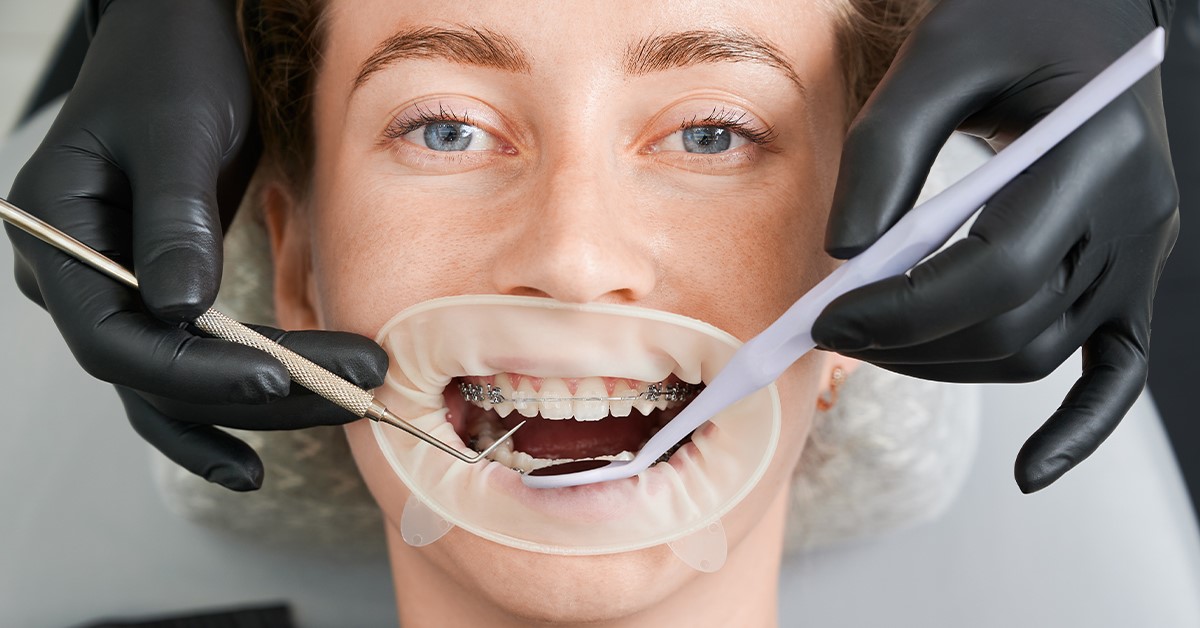
Facial swelling can indicate a tooth infection, dental abscess, or gum disease. An emergency dentist can identify the source through an oral examination and dental imaging, then recommend suitable treatment. While dental infections need prompt attention, difficulty breathing or swallowing requires immediate hospital care. Early treatment helps control infection, protect teeth, and prevent complications.
Facial swelling can start with a sore tooth or tender gum, then become harder to ignore. Should you wait, call your dentist, or seek emergency care? Knowing the warning signs can protect your health.
Can Facial Swelling Be a Dental Emergency?
Yes. Facial swelling caused by a tooth or gum infection needs prompt dental attention. If your cheek, jaw, or gums begin to swell, contact an emergency dental clinic in Kelso for an urgent assessment.
A common situation goes like this. You wake up with a sore tooth and notice one cheek looks slightly larger. By lunchtime, the pain has increased, and your gums feel tender. What started as a small concern may be an infection that needs treatment.
Facial swelling is not always caused by a dental problem. However, a tooth infection or dental abscess can spread into nearby tissues. Leaving it untreated may allow the infection to become more serious.
The first step is to understand what is causing the swelling. An emergency dentist can examine your mouth, identify the source, and recommend suitable treatment.
Remember: If you have trouble breathing or swallowing, do not wait for a dental appointment. Go to the nearest hospital emergency department immediately.
What Dental Problems Can Cause Facial or Gum Swelling?
Your teeth, gums, and jaw are closely connected. When bacteria enter damaged tissue, they can cause infection and swelling. Here are some common dental causes.
1. Tooth Infection
A deep cavity, cracked tooth, or damaged filling can allow bacteria to reach the soft tissue inside your tooth. This tissue contains nerves and blood vessels, so infection can cause pain and swelling.
The infection may reach the root tip and affect the surrounding bone and gums. You might notice a constant toothache, sensitivity, pain while chewing, or swelling around your cheek.
2. Dental Abscess
A dental abscess is a pocket of pus caused by a bacterial infection. It can form near a tooth root or within the gum tissue.
You may notice a painful bump, a bad taste, pus, or throbbing pain. Sometimes, the pain suddenly eases when an abscess drains. However, this does not mean the infection has gone away.
3. Gum Infection
Advanced gum disease can cause red, tender, swollen gums. In some cases, bacteria collect around the teeth and form a periodontal abscess.
If your gums bleed easily, feel painful, or develop a swollen spot, arrange a dental examination. Early care can help prevent further damage.
4. Impacted or Infected Wisdom Tooth
A wisdom tooth that cannot fully emerge may trap food and bacteria beneath the gum. This can cause inflammation, pain, and swelling near the back of your jaw.
If the infection spreads, you may also develop fever, swollen glands, or difficulty opening your mouth.
When Should You Visit an Emergency Dentist?
Not every swollen cheek needs hospital care. However, sudden or increasing swelling should never be ignored.
Contact an emergency dentist promptly if you notice:
- Swelling around your cheek, jaw, or gums.
- A painful lump near a tooth.
- Persistent or severe toothache.
- Pus, a bad taste, or fluid draining from your gums.
- Pain when biting or chewing.
- Fever along with tooth pain or swelling.
- Tender glands beneath your jaw or in your neck.
- Swelling that increases over a few hours.
These symptoms may point to an active dental infection. An early examination helps your dentist decide whether you need drainage, a root canal, or another form of treatment.
If you are unsure about the severity, call your dentist and describe your symptoms. Do not wait for the swelling to become painful before seeking advice.
When Should You Go Straight to a Hospital?
This is where you need to be especially careful. A dental infection can sometimes spread into deeper spaces around your jaw, neck, and throat.
Difficulty breathing or swallowing is a medical emergency. These symptoms may mean swelling is affecting your airway. A hospital can provide emergency medical support and protect your ability to breathe.
Do not drive yourself if breathing is affected. Call 911 for emergency assistance.
How Does an Emergency Dentist Find the Source?
Facial swelling can have several causes. Treating the visible swelling without finding its source may leave the actual problem untouched.
Your dentist will first ask when the swelling began, whether it is getting worse, and whether you have pain, fever, or difficulty chewing.
Next, the dentist will examine your teeth, gums, jaw, and surrounding tissues. They may gently check the swollen area and look for damaged teeth, pus, gum pockets, or signs of infection.
Dental X-rays can help reveal hidden decay, root infections, and changes around the supporting bone. Depending on your symptoms, further imaging or medical referral may be needed.
Your medical history also matters. Certain health conditions and medicines can affect infection risk and treatment choices.
This careful assessment helps your dentist understand why the swelling developed, rather than simply treating the discomfort. Your treatment depends on the infection's location, severity, and cause. There is no single solution for every swollen tooth or gum.
At a well-equipped emergency dental clinic in Kelso, the aim should be to relieve your symptoms and treat the cause with a suitable care plan.
Can You Trust an Emergency Dentist With Your Family’s Dental Needs?
Dental emergencies can feel frightening, especially when your child is in pain or you have had difficult dental experiences before.
A caring dental team should explain each step, listen to your concerns, and help you understand your choices. You should never feel rushed or judged for seeking care late.
If you need a dental clinic in Longview WA, look for a practice that combines emergency care with family, restorative, and preventive services. This makes it easier to address immediate concerns and plan for long-term oral health.
A practice with modern dental technology and a gentle approach can also make treatment more comfortable. Clear explanations and personalized attention matter just as much as the treatment itself.
Take Facial Swelling Seriously and Get the Right Care
Facial or gum swelling may be a sign of a tooth infection, gum abscess, or another dental problem. Early care can prevent complications and help protect your natural teeth. Never ignore swelling, even when pain fades.
At Meadowlark Family Dentistry, Dr. Tatiana Trott, DDS, bring over 30 years of dental experience to your care. I earned my degree from Latvian Medical Academy in 1986 and trained at Arthur A. Dugoni School of Dentistry, University of the Pacific. My approach focuses on finding the cause, offering personalized treatment, and easing dental anxiety.
Request an appointment: https://www.meadowlarkfamilydentistry.com
Call (360) 577-3625 to arrange a visit at our Kelso office.
Frequently Asked Questions
Can a tooth infection cause one side of my face to swell?
Yes. An infected tooth or dental abscess can cause swelling in the nearby cheek, jaw, or gums. Seek prompt dental care.
Should I visit an emergency dentist if my gums are swollen but do not hurt?
Yes. Gum swelling can indicate an infection even without pain. Arrange an examination to identify the cause and prevent further problems.
Can facial swelling from a tooth infection go away on its own?
Swelling may temporarily decrease, especially if an abscess drains. However, the infection may remain. You still need professional dental treatment.
Will antibiotics cure a dental abscess?
Not usually on their own. Antibiotics may help control spreading infection, but the dentist must address its source through appropriate dental treatment.
Is facial swelling with a toothache always an emergency?
It requires prompt dental assessment. If you have difficulty breathing or swallowing, seek immediate hospital emergency care instead.