Which Dental Implant Is Best for You? A Specialist Guide to Implant Types, Materials, and Treatment Option
A wisdom tooth infection can require urgent dental care, but immediate extraction is not always necessary. An emergency dentist can assess symptoms, control pain, manage infection, and determine whether extraction or oral surgery is appropriate. Knowing warning signs helps you seek timely care and make treatment decisions with greater confidence.
The best dental implant is not simply the newest or strongest option; it is the one that matches your bone, gums, health, missing teeth, goals, budget, and comfort level.
Which dental implant is best for you?
There is no single dental implant that works best for everyone. Your dentist first checks your jawbone, gums, bite, medical history, and the number of teeth you need replaced.
If you are researching Longview toothimplants, start by asking a simpler question: What problem are you trying to solve? One missing tooth needs a different plan than an entire arch!
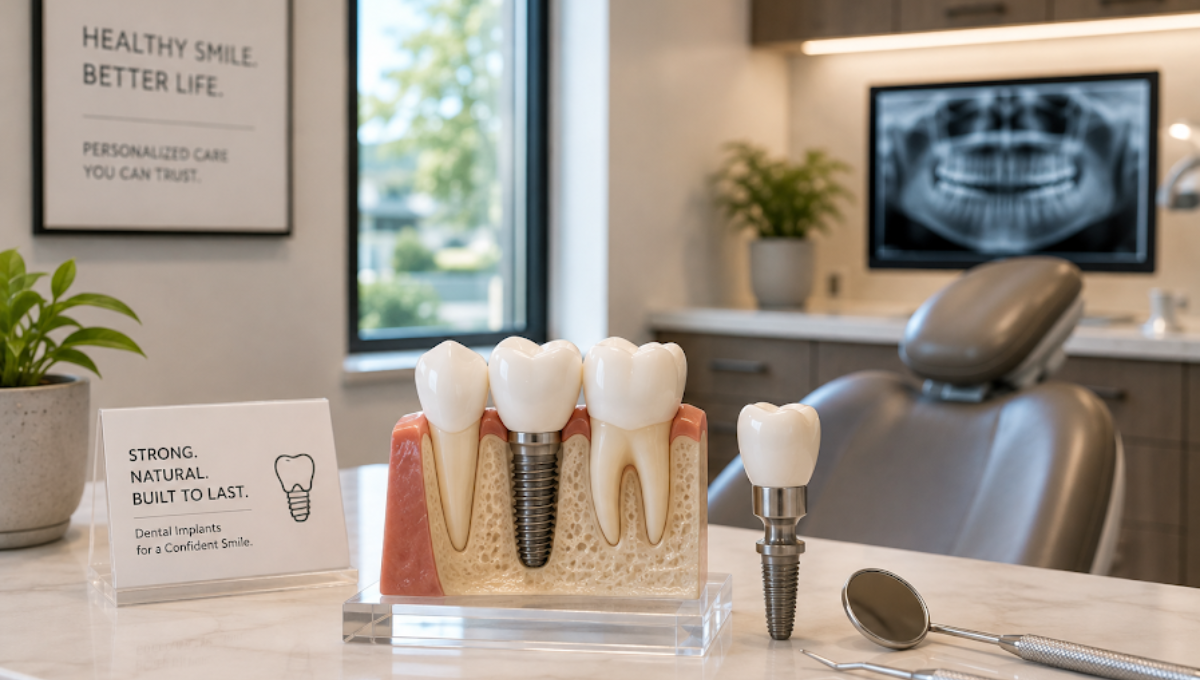
That distinction matters because an implant is only one part of treatment. The implant replaces the tooth root, while an abutment connects it to the replacement tooth, such as a crown, bridge, or denture.
Endosteal implants: the standard choice for many patients
Endosteal implants are placed inside the jawbone. They are usually shaped like small screws and provide a stable foundation for replacement teeth after healing and bone integration.
Think of the implant as an artificial root. Once it integrates with your jawbone, it can support a crown, bridge, or other dental restoration with a more secure feel than removable options.
Your dentist may recommend an endosteal implant when you have enough healthy bone to support placement. If bone has been lost, grafting may sometimes improve the foundation first.
Does implant material really make a difference?
Titanium remains a widely studied implant material, with extensive clinical evidence supporting its use. Titanium-zirconium alloys are another option, while zirconia offers a metal-free alternative in selected cases.
Zirconia implants can be useful when appearance or specific material concerns influence treatment. However, current evidence does not show that zirconia is automatically better than titanium for every patient.
So, should you choose titanium or zirconia? Do not make that decision from a product label alone. Your dentist should consider implant position, bone conditions, restoration design, and long-term maintenance.
Implant systems: what are you actually choosing?
An implant system refers to the coordinated components used to replace a tooth. These may include the implant fixture, connection, abutment, and compatible restorative parts.
Different systems vary in design, surface treatment, dimensions, connections, and restorative choices. Your dentist selects a system based on clinical needs rather than choosing whichever name sounds most familiar.
A good question to ask is, “Why does this implant system fit my case?” The answer should connect directly to your anatomy, restoration, bite, and expected maintenance.
One missing tooth? A single-tooth implant may fit
A single-tooth implant can replace one missing tooth without placing a crown over neighboring healthy teeth. The implant supports an individual crown designed to blend with your natural smile.
This option can restore chewing and appearance while creating an independent replacement. It may also help avoid preparing adjacent teeth simply to support a traditional bridge.
Still, timing matters. Your dentist must assess infection, gum health, available bone, and the condition of nearby teeth before deciding whether immediate or delayed treatment makes sense.
Several missing teeth? Consider an implant-supported bridge
If you have multiple missing teeth beside each other, an implant-supported bridge can replace several teeth using fewer implants than individual tooth replacements.
The bridge stays anchored to implants rather than relying entirely on neighboring natural teeth. That can provide stability while reducing the number of implant fixtures needed.
Your treatment plan depends on spacing, bone volume, bite forces, gum health, and restoration design. A careful examination helps determine whether an implant bridge or another option suits you better.
What if you have lost most or all of your teeth?
Full-arch treatment can provide a fixed replacement for many missing teeth using strategically placed implants. One option offered by us at Meadowlark Family Dentistry is All-on-4 treatment.
All-on-4 uses four implants to support a full replacement arch in appropriate cases. It can improve chewing and speech while giving you a more stable alternative to conventional removable dentures.
Full-arch treatment is not automatically the right answer for severe tooth loss. Your dentist must examine your bone, remaining teeth, gums, bite, general health, and ability to maintain the restoration.
How does your dentist decide which implant is right?
Your dentist looks beyond the missing tooth. The decision includes bone quantity, gum health, bite pressure, tooth position, smile appearance, restoration type, oral hygiene, and your long-term goals.
Your health history matters too. Certain medical conditions, medications, smoking habits, or untreated gum disease can affect healing and implant outcomes.
This is why online comparisons cannot tell you which implant is best. They can explain your choices, but your examination determines which choice fits your mouth.
What should you ask before saying yes?
Bring your questions to the consultation. Ask how many implants you need, which material is recommended, what restoration will sit above each implant, and whether bone grafting is necessary.
Also ask about healing, cleaning, expected maintenance, possible complications, alternatives, and the total treatment sequence. A clear plan should make sense before you agree to treatment.
If you are comparing Kelso tooth implants, look for a practice that explains both the benefits and limitations of your choices. Good care should leave you informed, not pressured.
What makes implant care easier for anxious patients?
Dental anxiety should never be treated as an inconvenience. If you have had a difficult dental experience, tell your dental team before treatment begins.
A patient-centered practice can explain each stage, answer questions, pace appointments appropriately, and discuss comfort options. Meadowlark Family Dentistry specifically emphasizes listening to anxious patients and helping them understand what treatment involves. That approach matters during implant treatment because trust affects how comfortably you move through a multi-step process. You deserve to know what will happen before it happens.
Why choose a comprehensive dental practice?
Implant treatment often connects with other dental needs. You may need an extraction, bone graft, crown, periodontal care, dentures, or broader restorative treatment before your final restoration.
Meadowlark Family Dentistry provides comprehensive family, cosmetic, restorative, emergency, implant, denture, and full-mouth services. Its team also focuses on identifying the underlying causes of dental problems. That broader view can be useful when several issues affect your smile. Instead of treating the missing tooth alone, your dentist can consider how the replacement fits your overall oral health.
What should you expect at your implant consultation?
Expect questions about your dental history, current concerns, medications, previous treatment, and goals. Your dentist will examine your mouth and determine what additional diagnostic information is needed.
The discussion should cover possible implant types, materials, restorations, timing, alternatives, maintenance, and risks. You should leave knowing what happens next and why each step has been recommended.
You do not need to know implant terminology before your appointment. Your dental team should translate the technical details into clear choices you can understand and discuss.
The best implant is the best match, not the most expensive option
Choosing an implant should feel less like picking a product and more like building a treatment plan. Your anatomy and goals should guide the decision.
Titanium, zirconia, titanium-zirconium, single implants, implant bridges, and full-arch solutions each have different roles. The right option depends on your specific clinical situation.
Meadowlark Family Dentistry uses advanced dental technology and offers implant and restorative care for patients of different ages.
Ready to understand your implant options?
I’m Dr. Tatiana Trott, DDS, and our team at Meadowlark Family Dentistry helps you understand why problems happen before choosing treatment. I earned my dental degree in 1986 and completed advanced U.S. training at Arthur A. Dugoni School of Dentistry.
My experience includes more than 30 years across private and public dental settings. If you need implants, All-on-4, dentures, restorative care, or another option, we can discuss your needs calmly and clearly.
Request an appointment through Meadowlark Family Dentistry or call (360) 577-3625 for an appointment at our Kelso office. You can also check out our Meadowlark Family Dentistry’s In-House Premier Dental Coverage by clicking on - https://www.meadowlarkfamilydentistry.com/in-house-savings-plan/
The goal is simple: you understand what is happening, know your options, and feel comfortable choosing your next step.
Frequently Asked Questions
Is titanium better than zirconia for dental implants?
Titanium has a longer clinical track record. Zirconia may suit selected patients, but evidence does not support choosing zirconia as universally superior.
Can one dental implant replace one missing tooth?
Yes. A single implant can support an individual crown, provided your bone, gums, bite, and overall oral health support treatment.
Are dental implants possible after bone loss?
Often, yes. Bone grafting may rebuild deficient areas before implant placement, depending on the amount and location of bone loss.
Are All-on-4 implants suitable for everyone?
No. Full-arch treatment requires careful evaluation of bone, gums, bite, health, and restoration needs before your dentist recommends an approach.
What if I am afraid of dental implant treatment?
Tell your dental team about your anxiety early. Clear explanations, gentle care, pacing, and appropriate comfort measures can make treatment easier to manage.