How Do I Choose the Right Dentist in Kelso for My Family?
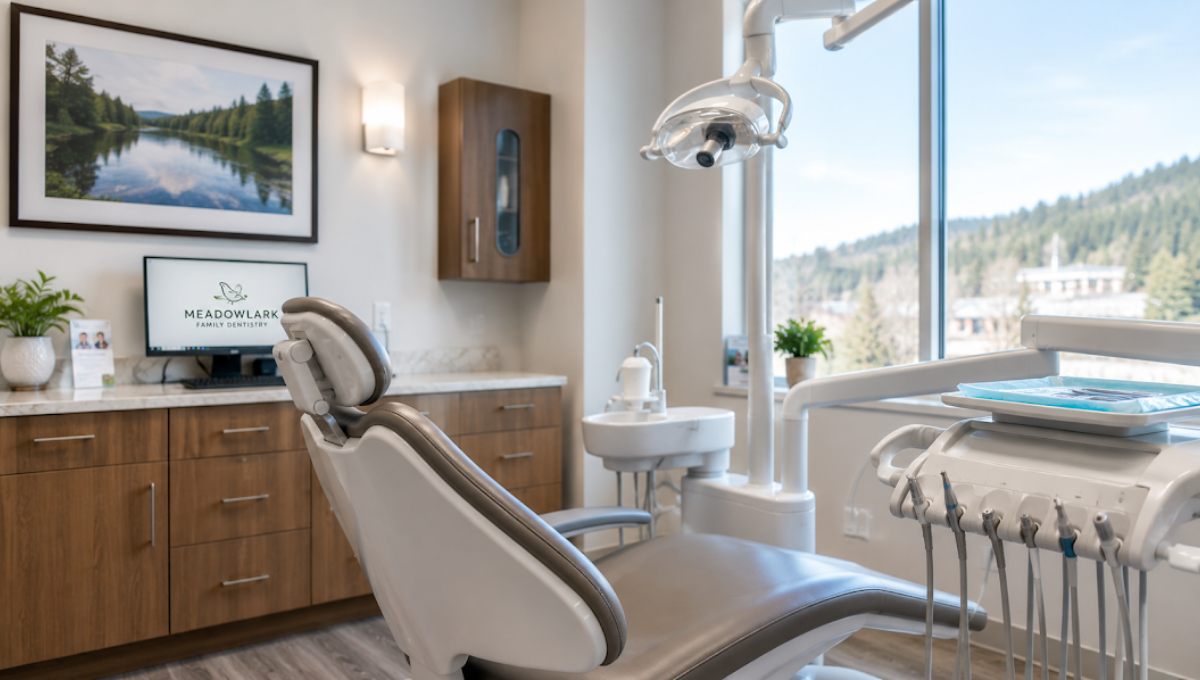
Choosing a family dentist in Kelso means looking beyond location. Compare experience, communication, preventive care, emergency access, anxiety support, technology, and treatment options. A strong dental team should explain your choices clearly, address root causes, and provide care that fits children, adults, seniors, and complex dental needs.
Finding one dentist for everyone can be harder than it sounds. You need safe care for children, calm support for anxious patients, strong restorative skills, and help when tooth pain strikes!
The right dentist Kelso families choose should offer more than fillings. Look for experience, clear communication, preventive care, emergency access, and services that can grow with your family’s needs.
Start With Five Questions
Does the dentist treat your whole family?
Can the team explain options clearly?
Do they handle emergencies?
Do they focus on prevention?
Can they manage complex care?
These questions quickly separate a convenient office from a dental home. The American Dental Association recommends asking about prevention, emergencies, costs, records, and your concerns before deciding.
Check Experience That Matches Your Family
A dentist may be excellent at routine care but less suited to your family if someone needs implants, dentures, full-mouth reconstruction, or anxiety-sensitive treatment.
Look at the dentist’s training, years in practice, and range of services. Ask whether complex treatment is handled in-house or requires outside referrals.
For children, ask how the team introduces young patients to dental care. A positive first experience can make future visits feel much easier.
For older adults, ask about missing teeth, gum health, crowns, bridges, dentures, and implants. One care team can make long-term planning simpler.
Choose a Dentist Who Explains, Not Lectures
Dental terms can sound confusing when you are already worried. A good conversation should leave you knowing what was found, why it matters, and what happens next.
Ask about the cause, treatment choices, benefits, risks, timing, and what could happen if treatment is delayed. You should never feel pushed into a decision.
The ADA recommends sharing previous dental experiences and anxiety, asking questions, and agreeing on a signal if you need a break.
If a dentist listens before recommending treatment, that is a useful sign. Your concerns are part of your care, not an inconvenience.
Look for Prevention, Not Only Repairs
A filling can repair a cavity. It does not always explain why cavities keep returning.
Ask whether the practice considers brushing habits, diet, gum health, oral hygiene, dry mouth, bite problems, and other factors that may contribute to repeated issues.
Preventive care may include examinations, professional cleanings, oral hygiene guidance, fluoride when appropriate, sealants for children, and regular monitoring.
This matters because early care may help prevent a small problem from becoming painful or more complicated. The goal is healthy teeth, not endless repairs.
Make Sure the Services Fit Real Family Needs
Families rarely have one dental need. Your child may need preventive care while you need a crown, and a parent may need dentures or implants.
A broad family practice can simplify that picture. Meadowlark Family Dentistry provides family, cosmetic, restorative, implant, emergency, and regenerative dental care. Our services include crowns, bridges, root canals, dentures, All-on-4 implants, veneers, whitening, and full-mouth reconstruction.
Cosmetic treatment should also begin with healthy teeth and gums. Whitening and veneers can improve appearance, while restorative care focuses on damaged or missing teeth.
For facial aesthetic services, ask what is being treated, why it may help, and what alternatives exist. Meadowlark lists Botox, PRF, and PRP among its regenerative and aesthetic services.
Ask How Dental Emergencies Are Handled
A broken crown or sudden toothache can quickly disrupt your plans. Before choosing a practice, ask what happens when pain, swelling, trauma, or a damaged restoration appears.
Find out whether same-day urgent visits are available, whom you call after hours, and whether existing patients receive emergency instructions.
The ADA recommends dental practices have clear emergency plans and guidance for urgent situations. Severe swelling, uncontrolled bleeding, or breathing problems can require emergency medical attention.
Do not rely on pain relief alone when dental treatment is needed. ADA guidance explains that temporary pain control does not replace definitive dental treatment.
Take Dental Anxiety Seriously
You do not need to justify dental fear. Past pain, a difficult childhood visit, fear of needles, or uncertainty can make treatment feel overwhelming.
Tell the office about your anxiety before the appointment. Ask whether the team can explain each step, pause when needed, and discuss comfort options.
The ADA recognizes anxiety and past experiences as factors that can affect how patients need to be treated and supported.
Sedation may be appropriate for some patients, depending on health history, treatment needs, and clinical assessment. Ask what options are available and what each involves.
Compare Technology With One Simple Question
Modern equipment can support diagnosis and treatment planning, but technology alone does not make a practice right for your family.
Ask how the technology helps you. Does it improve images? Support treatment planning? Make explanations easier? Help the dentist monitor changes?
Meadowlark Family Dentistry says it combines updated technology with comprehensive care while focusing on the reasons behind oral health problems.
That is the better test: not “How advanced is the equipment?” but “How does this technology help me make a better decision?”
Consider Comfort, Access, and Cost
A clinically skilled dentist can still be difficult to work with if appointments are hard to get or communication feels rushed.
Consider location, appointment availability, insurance, payment options, and whether the office can care for several family members.
If you need several procedures, ask for a clear treatment plan. Ask which problem needs attention first, which can wait, and whether alternatives are available.
A good plan should make priorities easy to understand. You should know what needs attention now and how each step supports your oral health.
Why Meadowlark Family Dentistry May Fit Your Search
If you want a Kelso dental clinic offering family, cosmetic, restorative, implant, emergency, and regenerative services, Meadowlark Family Dentistry provides a broad range of care for patients of different ages. The practice also emphasizes listening to patients, explaining procedures, easing dental anxiety, and identifying the causes behind oral health concerns. That approach can be especially helpful when treatment needs are complex.
Use This Simple Checklist Before You Book
Ask yourself: Can my children feel comfortable here? Will the dentist listen? Can the team handle urgent problems? Are preventive and restorative services available?
Then ask one final question: “If this were your family member, what would you recommend, and why?” A clear answer can tell you a lot about the practice.
Conclusion
Choosing the right family dentist is not about finding the longest service list. It is about finding a team that listens, explains choices, prevents problems, and supports changing dental needs.
You should leave an appointment understanding what is happening, why it is happening, and what your choices are. That clarity builds trust and makes dental care easier to manage.
At Meadowlark Family Dentistry, we offer care. I’m Dr. Tatiana Trott, DDS: dental degree, Latvian Medical Academy, 1986; with 30+ years serving private/public patients.
Request an appointment or call (360) 577-3625 for further details!
Frequently Asked Questions
1. What should you ask before choosing a family dentist?
Ask about experience, children’s care, preventive services, emergency access, anxiety support, treatment costs, payment options, and how clearly the dentist explains your choices.
2. Can one dentist treat children and adults?
Yes. Many family practices treat different age groups. Ask whether the dentist has experience with children, adults, seniors, complex restorations, and preventive care.
3. How should a dentist handle severe dental anxiety?
Tell the office before your visit. Ask about communication, breaks, comfort measures, and sedation options. Your health history should guide any sedation decision.
4. When should you seek urgent dental care?
Severe tooth pain, facial swelling, dental trauma, uncontrolled bleeding, or infection signs need prompt assessment. Breathing difficulty or serious swelling can require emergency medical care.
5. Should you choose a dentist who offers many services?
A broad service range can help when family members have different needs. Still, focus on experience, communication, prevention, safety, and personalized treatment planning.