What People Don’t Know Before Getting Teeth Whitening: Are Your Teeth Actually Suitable for Treatment?
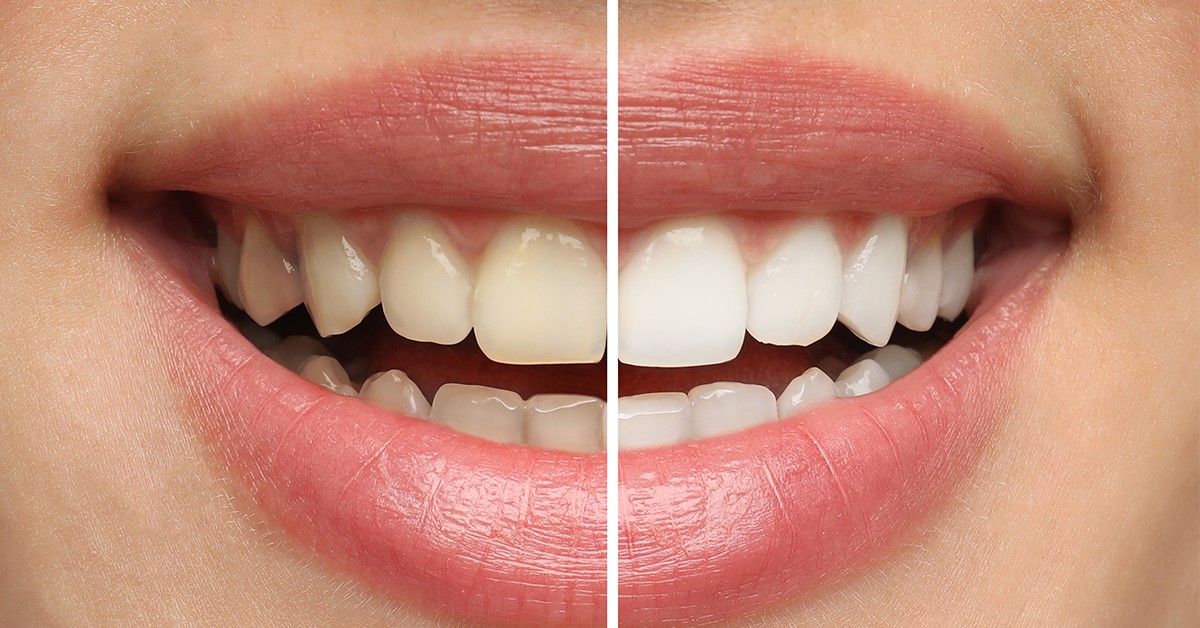
Teeth whitening should begin with a dental suitability check, not a whitening product. Cavities, gum disease, enamel wear, cracks, exposed roots, sensitivity, and existing restorations can affect treatment. A dental examination helps identify problems first, explain suitable options, and create a whitening plan that protects your oral health and supports natural-looking results.
Most people notice the shade of their smile first, then wonder about safety. If you are considering teeth whitening Kelso WA, the real first question is whether your teeth are ready.
Are your teeth actually suitable for whitening?
Not every smile should go straight into whitening. A dental examination checks your teeth, gums, enamel, restorations, and existing problems before treatment begins.
That check matters because whitening products can cause temporary sensitivity or gum irritation. Existing cavities, gum problems, exposed roots, cracks, or worn enamel may make treatment uncomfortable.
Think of whitening like painting a wall. You would fix cracks and damp spots first. Your dentist follows the same basic idea before brightening your smile.
The goal is not simply whiter teeth. The goal is healthier teeth that can tolerate treatment and produce a result that looks natural.
What does a dental suitability check look for?
Your dentist will look for cavities, broken fillings, gum inflammation, recession, enamel wear, cracks, unusual sensitivity, and other dental problems that may need attention first.
A cavity can sometimes look like a dark stain. Yet it is not simply a stain that whitening can erase. Decay needs proper dental treatment.
Gum disease and recession also deserve attention. When gums pull away, tooth roots may become exposed. These areas can be more sensitive because roots do not have the same enamel protection.
Enamel wear creates another concern. When enamel becomes thinner, the more sensitive dentin underneath can become exposed. Whitening may then trigger stronger sensitivity in some patients.
Cracks should never be brushed aside just because you want a brighter smile. A cracked tooth can already be sensitive, and whitening may add discomfort.
Existing dental work matters too. Whitening changes natural tooth color, but it does not whiten tooth-colored restorations such as crowns, veneers, or fillings.
That difference can affect your final smile. If a front crown matches your current teeth, whitening may make the natural teeth lighter while the crown stays unchanged.
What happens if you whiten teeth before fixing dental problems?
Whitening does not repair cavities, gum disease, cracks, worn enamel, or damaged restorations. It changes tooth color. Treating the underlying issue comes first when needed.
If sensitivity is already bothering you, tell your dentist before treatment. Sensitivity can have several causes, including enamel wear, gum recession, cavities, gum disease, or cracked teeth.
Your dentist, before providing you with the associated options related to teeth whitening Kelso WA can identify the likely cause instead of guessing. Sometimes the answer may involve treating decay, improving gum health, protecting exposed areas, or changing your whitening approach.
Does sensitive teeth mean you cannot whiten?
Not necessarily. Sensitivity does not automatically rule out whitening. It means your dentist should find out why your teeth are sensitive before choosing a treatment approach.
Professional whitening and dentist-supervised home whitening can use different strengths, schedules, and application methods. Your dentist can adjust the plan around your needs.
Temporary sensitivity is one of the most common side effects of tooth whitening. It usually settles, but your existing oral health can affect how comfortable treatment feels.
Do not hide sensitivity because you worry that treatment will be refused. Tell your dental team. Good planning gives you more choices, not fewer.
Can cavities be treated before teeth whitening?
Yes. If your examination finds decay, your dentist may recommend treating it before whitening. The exact treatment depends on how deep and extensive the cavity is.
A small cavity may need a filling. More advanced decay can require additional treatment, such as a root canal or restoration, depending on the tooth.
This approach protects your health first. It also helps your dentist plan cosmetic treatment around the repaired tooth rather than whitening blindly.
What about gum disease or exposed roots?
Active gum inflammation should be assessed before cosmetic whitening. Inflamed gums may react more strongly to whitening materials and can make treatment less comfortable.
Exposed roots are different from normal enamel-covered tooth surfaces. Root surfaces can be more sensitive, especially when gums have receded.
Your dentist may recommend gum care or sensitivity management first. In some cases, protecting the exposed area can become part of the wider treatment plan.
Can worn enamel or cracks affect whitening?
Yes. Worn enamel can contribute to sensitivity because the protective outer layer has become thinner. A crack can also expose deeper tooth structures and cause pain with temperature changes.
That is why your dentist should know about sharp pain, biting pain, cold sensitivity, chipped teeth, or areas that suddenly feel different.
These symptoms are clues. They do not automatically mean something serious, but they deserve attention before cosmetic treatment.
What if your teeth are healthy but whitening is not enough?
Whitening works best when discoloration responds to bleaching. Some stains are deeper or behave differently, so the final result may vary from person to person.
Your dentist can discuss alternatives when whitening cannot create the change you want. Options may include bonding, veneers, crowns, or a broader smile makeover, depending on your teeth and goals.
The important thing is to match the treatment to the reason your smile looks different. Cosmetic care works better when the cause is understood first.
What can you expect from professional whitening?
A dental whitening visit can begin with a shade assessment and a discussion about your desired result. Your dentist then decides whether whitening is suitable for you.
Professional whitening may provide faster results than many home products because dentists can use professionally selected materials and controlled treatment methods.
At Meadowlark Family Dentistry, whitening is part of a broader range of cosmetic, restorative, family, and general dental services. The practice also uses modern dental technology to support personalized care.
That broader approach can help when whitening reveals another concern. You can discuss fillings, crowns, veneers, bonding, gum care, or other needed treatment with the same dental team.
Is teeth whitening right for you?
The answer starts with an examination, not a whitening kit. If your teeth and gums are healthy, your dentist can help you choose an appropriate whitening option.
If something needs attention first, that is useful information. You can treat the problem, protect your teeth, and then revisit your cosmetic goals with a clearer plan.
You deserve to understand what is happening before anyone recommends treatment. Ask what was found, what needs attention now, what can wait, and which whitening choices fit your smile.
What should you ask your dentist before whitening?
Ask whether you have cavities, gum inflammation, enamel wear, cracks, exposed roots, or other issues that could affect whitening.
Also ask whether existing crowns, veneers, fillings, or bonding will match after your natural teeth become lighter.
Finally, ask what result is realistic for your teeth. A clear answer helps you avoid disappointment and makes the treatment decision much easier.
The right first step is an honest dental assessment
Whitening can be a useful cosmetic treatment, but it should sit on a healthy foundation. A dental examination helps identify problems that could affect safety, comfort, or the final appearance.
At Meadowlark Family Dentistry, the focus extends beyond changing how teeth look. The team also aims to understand why oral health problems develop and explain practical treatment choices.
That can include preventive care, dental cleanings, restorative treatment, cosmetic dentistry, emergency care, implants, dentures, veneers, bonding, and professional teeth whitening.
For families, older adults, anxious patients, and people with complex dental needs, having several care options under one roof can make the process easier to understand.
A gentle next step with Meadowlark Family Dentistry
I’m Dr. Tatiana Trott, DDS, from Meadowlark Family Dentistry. I earned my dental degree from Latvian Medical Academy in 1986 and completed an internationally trained dentist program at Arthur A. Dugoni School of Dentistry. With 30+ years across private and public care, I help you understand causes, choices, and next steps.
If you are considering whitening, start with a conversation. Our team can examine your teeth, explain what needs attention, and discuss whitening, veneers, bonding, crowns, or restorative care when appropriate.
Request an appointment here: Meadowlark Family Dentistry or call (360) 577-3625 for details about Kelso teeth whitening process in detail.
Frequently Asked Questions
Can anyone get their teeth whitened?
Not everyone is an immediate candidate. Cavities, active gum problems, exposed roots, cracks, enamel wear, and other concerns may need evaluation or treatment first.
Does teeth whitening damage enamel?
When used appropriately, whitening is generally considered safe, but temporary sensitivity can occur. Excessive or improper use may increase the risk of irritation or enamel problems.
Will whitening make crowns and fillings white?
No. Whitening affects natural teeth, not most tooth-colored restorations. Your dentist can discuss replacement, reshaping, or other cosmetic options if color differences become noticeable.
Should you whiten sensitive teeth?
You may still be able to whiten, but first find out why your teeth are sensitive. Your dentist can recommend a suitable treatment plan and ways to manage discomfort.
Is professional whitening better than home whitening?
Professional and dentist-supervised options can provide controlled treatment. The right choice depends on your oral health, stain type, sensitivity, goals, and the treatment approach your dentist recommends.