Root Canal for an Infected Tooth: When Is It Necessary and How Does It Save the Tooth?
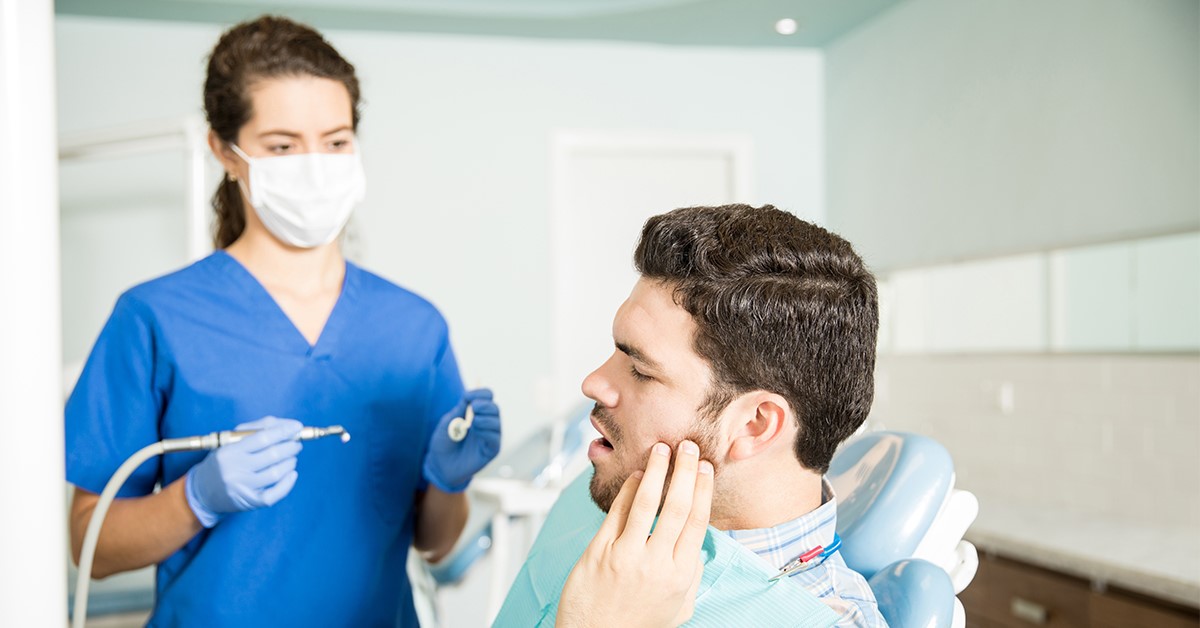
Root canal treatment can save a tooth when infection or severe inflammation reaches the dental pulp. The treatment removes infected tissue, cleans and disinfects the root canals, then seals and restores the tooth. Early evaluation can preserve more healthy tooth structure and help you understand your treatment options clearly.
A tooth that suddenly hurts when you bite, reacts to hot or cold, or starts swelling can turn a normal day into a painful one. A root canal for infected tooth may be the treatment that saves it.
When is root canal necessary?
A root canal becomes necessary when infection or serious inflammation reaches the pulp, the soft tissue inside your tooth. This can happen because of deep decay, cracks, trauma, repeated dental work, or a damaged crown.
The pulp contains nerves and blood vessels. When bacteria reach it, the tissue can become inflamed or infected. At that stage, a simple filling may no longer remove the source of the problem.
You may notice lingering hot or cold sensitivity, strong pain while chewing, gum swelling, tenderness, or a small pimple near the tooth. Sometimes, however, an infected tooth causes surprisingly little pain.
That last point matters. Pain alone does not tell you how serious an infection is. Your dentist needs an examination, dental imaging, and your symptoms to determine what is happening inside the tooth.
How does an infection reach the dental pulp?
Think of your tooth as a house with several protective walls. Enamel and dentin protect the inner pulp. Deep decay or a crack can eventually create an opening for bacteria.
Once bacteria reach the pulp, your body's response can cause inflammation and pressure inside the tooth. Because the pulp sits inside a confined space, swelling has little room to escape.
If the infection continues, it can move through the root canals toward the tissues surrounding the tooth. An abscess may develop, causing swelling, pressure, or pain around the tooth.
What does a root canal actually remove?
A root canal removes the inflamed or infected pulp from inside the tooth. Your dentist then cleans and disinfects the root canals before filling and sealing them to reduce the chance of reinfection.
The goal is not to remove your whole tooth. The goal is to remove the diseased tissue while keeping the remaining tooth structure in place.
Afterward, the tooth usually needs a strong restoration, often a crown or filling, depending on how much healthy tooth structure remains. This protects the treated tooth during normal biting and chewing.
Why does root canal treatment save the tooth?
Without treatment, an infected pulp cannot simply repair itself. The infection may continue into the surrounding tissues and can eventually create an abscess or make the tooth impossible to restore.
Root canal treatment addresses the source inside the tooth. By removing infected tissue, cleaning the canals, and sealing them, treatment can allow you to keep your natural tooth rather than lose it.
Keeping your natural tooth also helps preserve normal chewing and the position of nearby teeth. With proper treatment and restoration, many root canal-treated teeth can continue functioning for many years.
Could tooth pain mean something other than a root canal?
Yes. Tooth pain can come from several causes, including decay, a cracked tooth, a loose filling, gum problems, bite issues, or temporary pulp irritation after dental treatment.
That is why you should not diagnose yourself from symptoms alone. A sharp pain when biting does not automatically mean you need a root canal.
Your dentist may recommend a filling, crown, periodontal treatment, monitoring, root canal therapy, or extraction depending on the tooth's condition. The right choice depends on the cause and whether the tooth can be restored.
What happens during root canal treatment?
First, your dentist examines the tooth and determines whether the pulp is inflamed or infected. Local anesthesia is used to numb the area, so you should not have to endure the severe pain caused by the infection during treatment.
Your dentist then creates an opening in the tooth and removes the diseased pulp. The root canals are carefully cleaned, shaped, and disinfected before being filled and sealed.
The final restoration matters just as much as cleaning the canals. A weakened tooth can fracture under chewing pressure, so your dentist will recommend the restoration needed to protect its remaining structure.
Can antibiotics replace a root canal?
Usually, no. Antibiotics do not remove infected pulp from inside the tooth. Dental treatment that addresses the source of infection is generally needed when the pulp is irreversibly damaged or infected.
The American Dental Association recommends prioritizing appropriate dental treatment for most pulpal and localized dental infections rather than relying on antibiotics alone. Antibiotics may be needed when systemic signs, such as fever or malaise, occur.
How can you protect your teeth from reaching this stage?
Prevention starts with regular dental care. Treating cavities early can prevent decay from reaching the pulp. Wearing a mouthguard during certain activities may also help protect teeth from injury.
A routine dental checkup for adults can help identify cavities, cracks, failing restorations, gum problems, and other concerns before they become larger problems.
Good daily brushing, cleaning between your teeth, limiting frequent sugary snacks, and addressing dental pain early can also reduce the chance of avoidable complications.
What treatment options may be available?
Root canal therapy is one option when the pulp is infected but the tooth remains restorable. Depending on your diagnosis, other options may include a filling, crown, periodontal care, restorative treatment, or extraction.
At Meadowlark Family Dentistry, care is designed around the cause of your dental problem, not simply the symptom. The practice provides comprehensive, high-tech family, cosmetic, restorative, and regenerative dental care for different stages of life.
That broader approach can be especially helpful when your dental needs involve anxiety, damaged teeth, complex restorations, cosmetic concerns, or urgent pain. You can discuss your concerns openly and understand why a particular treatment is being recommended.
What should you ask before agreeing to treatment?
Start with simple questions. Ask what caused the problem, whether the pulp is infected, whether the tooth can be saved, and what happens if treatment is delayed.
You can also ask about the expected restoration, treatment timeline, comfort measures, costs, and available alternatives. A good dental conversation should leave you knowing what is happening and why.
You deserve an explanation that makes sense. You should never feel pressured to understand complicated dental terms before making a decision about your care.
Can a root canal really save your natural tooth?
Yes, when the tooth has enough healthy structure and can be predictably restored. Root canal treatment removes infected pulp while preserving the remaining natural tooth, allowing it to continue functioning after restoration.
The earlier you address an infected tooth, the more options your dentist may have. Delaying care can allow infection to progress, sometimes changing a tooth-saving treatment into a situation where extraction becomes necessary.
At Meadowlark Family Dentistry, I am Dr. Tatiana Trott, DDS, with more than 30 years of dental experience. I earned my dental degree from Latvian Medical Academy in 1986 and later completed an internationally trained dentist program at Arthur A. Dugoni School of Dentistry at the University of the Pacific. I have worked in private and public settings and focus on finding why dental problems happen while keeping care calm and personal. If you have tooth pain or need restorative care, our Kelso team can discuss your options without pressure. Request an appointment here or call Meadowlark Family Dentistry at (360) 577-3625.
Patient FAQs
Does a root canal hurt?
Modern anesthesia makes root canal treatment comfortable for most patients. Mild soreness can occur afterward, especially when the tooth was infected before treatment.
Can an infected tooth heal without a root canal?
If the pulp is irreversibly infected, it cannot recover on its own. Your dentist must treat the source, which may involve root canal therapy or another appropriate option.
Is extraction better than a root canal?
Extraction removes the infected tooth, while root canal treatment aims to preserve it. Your dentist will consider tooth structure, infection, restorability, and your overall needs.
Can a root canal fail?
Occasionally, infection can return or healing may not occur as expected. Additional endodontic treatment or surgery may sometimes help save the tooth.
Should you wait if tooth pain disappears?
No. Pain can decrease even when an underlying infection remains. A disappearing toothache does not prove the problem has healed, so dental evaluation is still wise.