Can a Tooth Implant Replace Several Missing Front Teeth?
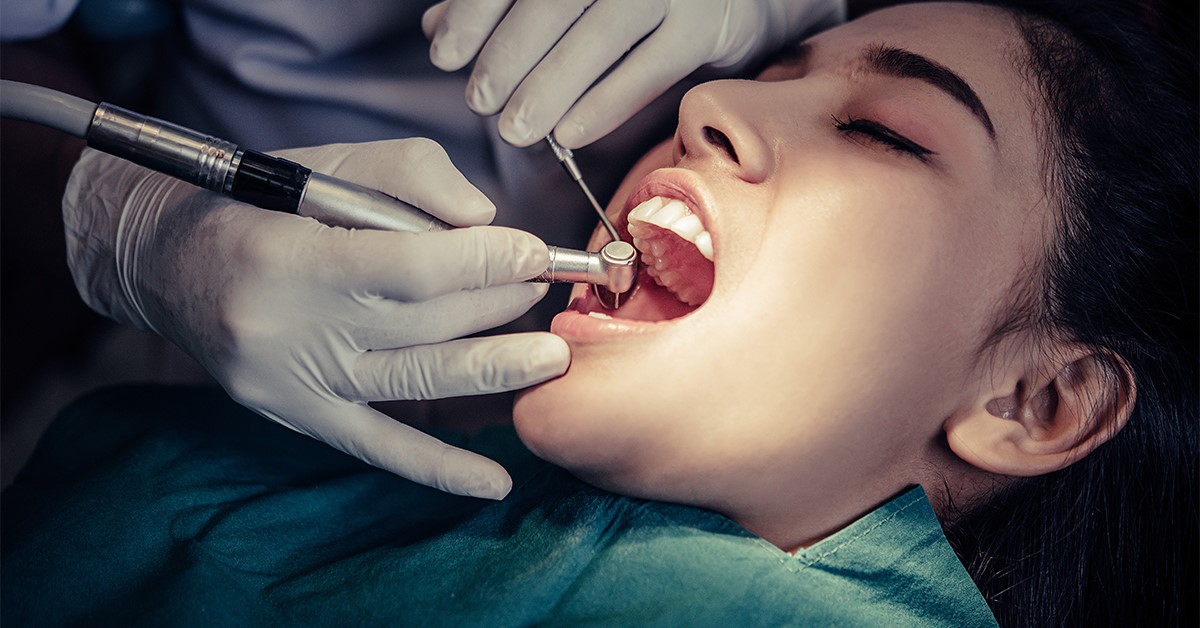
Several missing front teeth can be replaced using individual dental implants or an implant-supported bridge. The right approach depends on jawbone availability, gum health, bite forces, and final tooth design. A carefully planned restoration can improve appearance, speech, and chewing. A dental evaluation helps identify suitable options and any preparation needed.
Let us start by debunking a myth - You need one dental implant for every missing front tooth. That isn't always true. Tooth implants offer several ways to restore your smile, depending on your needs.
How Dental Implants Replace Several Missing Front Teeth?
Yes, dental implants can replace several missing front teeth without requiring one implant for every tooth. Your dentist may recommend individual implants or an implant-supported bridge.
The right choice depends on your jawbone, gum health, bite, and smile goals. Your treatment plan should restore chewing, speech, comfort, and natural-looking teeth.
Losing front teeth can affect more than your appearance. You may feel less confident when smiling, speaking, or meeting people. Some people also struggle to bite into everyday foods.
There is no need to feel embarrassed about missing teeth. Dental problems have many causes, and modern restorative care offers several ways forward.
Ways to Restore Several Missing Front Teeth
Your dentist may suggest one of two main approaches. Both use dental implants, but they support replacement teeth differently. So, if you are in and around the Washington area - you can surely check out the options related to Longview tooth implants for further reference.
1. Individual Dental Implants
With this option, each implant supports its own dental crown. The dentist places a small titanium post into your jawbone to act like a natural tooth root.
Once the implant bonds with your bone, a connector called an abutment supports the crown. Each replacement tooth stands independently, much like your original teeth.
This option can work well when you have enough healthy bone and space between the planned implant sites. It also avoids using neighboring natural teeth for support.
However, placing several individual implants requires careful planning. Each implant needs enough space, suitable bone support, and the correct position for its crown.
2. Implant-Supported Bridge
What if you have three or four missing front teeth? You may not need three or four implants.
An implant-supported bridge uses two or more implants to hold several connected replacement teeth. The implants act as anchors, while the bridge fills the gaps between them.
Think of it like a small bridge supported by strong pillars. The replacement teeth connect to one another instead of needing separate implants.
This approach can reduce the number of implants required. It may also suit patients whose available bone or treatment needs make individual implants less practical.
However, the number of implants depends on the bridge length, bite pressure, bone support, and restoration design. A longer bridge needs careful support to avoid excessive stress.
What Determines the Number and Position of Dental Implants?
There is no fixed number of implants for everyone. Your dentist must examine your mouth before deciding how many implants you need.
Four main factors help shape your treatment plan.
1. Available Jawbone
Dental implants need enough healthy jawbone to hold them securely. When you lose a tooth, the bone around its root may gradually shrink.
If several teeth have been missing for years, you may have less bone than expected. This does not automatically rule out implant treatment.
Bone grafting may help rebuild areas with insufficient bone. Your dentist can assess this through an examination and suitable dental imaging.
2. Gum Health
Healthy gums create a better environment for dental implants. Active gum disease can increase the risk of infection and implant complications.
Your dental team may recommend treating gum disease before implant placement. This helps create healthier conditions for healing and long-term care.
3. Bite Forces
Your front teeth help you bite, cut food, and pronounce certain sounds. They also experience pressure when your teeth come together.
If you grind your teeth or have a deep bite, your implants may face extra pressure. Your dentist must consider these forces when selecting implant positions and bridge support.
4. Final Tooth Design
The replacement teeth must fit your face and work with your natural bite. Their size, shape, spacing, and gumline all affect the final result.
A good plan considers the finished teeth before placing the implants. This helps ensure that the implants support a natural-looking and functional restoration.
Are Dental Implants Better Than Traditional Dental Bridges?
Both treatments can replace missing front teeth. The main difference is how they stay in place and what supports them.
A traditional dental bridge usually relies on nearby natural teeth. Your dentist reshapes these teeth to hold the replacement teeth. An implant-supported bridge uses implants instead.
Implants can help preserve bone in the areas where tooth roots are missing. They also avoid reshaping healthy neighboring teeth for bridge support.
However, implants require surgery and enough bone for proper support. A traditional bridge may be suitable when nearby teeth already need crowns or implants are not appropriate.
Neither option suits everyone. Your dentist should explain the benefits, risks, costs, and long-term care needs before you choose.
What Should You Ask Before Choosing an Implant Treatment?
A treatment discussion should leave you feeling informed, not pressured. Take these questions to your dental appointment:
- Would individual implants or an implant-supported bridge suit my missing teeth?
- Do I have enough bone for implant placement?
- Will I need a bone graft or gum treatment?
- Who will plan the final crowns or bridge?
- What temporary teeth can I wear during healing?
- How will the treatment affect my speech and bite?
- What care and maintenance will I need?
These questions help you understand the full process. They also make it easier to compare treatment options with confidence.
If you are exploring dental implants in Longview WA, look for a dental team that explains each step and listens to your concerns. Your comfort matters just as much as your final smile.
Choosing Longview Tooth Implants: What Is Your Next Step?
Replacing several missing front teeth is possible without placing an implant for every tooth. Individual implants and implant-supported bridges can both restore your smile. The best choice depends on your bone, gums, bite, and appearance goals.
I am Dr. Tatiana Trott, DDS, at Meadowlark Family Dentistry. With more than three decades in private and public practice, I bring experience shaped by my 1986 dental degree from Latvian Medical Academy and later U.S. training at Arthur A. Dugoni School of Dentistry. I help you explore dental implants, implant-supported bridges, All-on-4 options, and restorative care calmly.
I want you to understand why dental problems happen before choosing treatment. Our team provides personalized, high-tech family and restorative care, with gentle attention to dental anxiety. Request an appointment at Meadowlark Family Dentistry or call (360) 577-3625 to visit our Kelso office.
Frequently Asked Questions
Can two dental implants support four front teeth?
Yes. Two implants may support a four-tooth bridge in selected cases. Your bone, bite forces, and bridge design determine whether this approach is suitable.
How long does it take to replace several front teeth?
Treatment may take several months. Healing, bone grafting, and the type of restoration affect the timeline. Your dentist can provide an individual estimate.
Do implant-supported front teeth look natural?
Yes. Custom crowns and bridges can closely match natural tooth shape, shade, and proportions. Proper implant positioning also helps create a balanced smile.
Is an implant-supported bridge removable?
No. A fixed implant-supported bridge stays attached to its implants. Your dentist removes it only when repair or professional maintenance requires removal.
Can I get implants if I have dental anxiety?
Yes, many anxious patients can receive implant care. Discuss your fears early so your dental team can explain comfort measures and plan treatment at your pace.